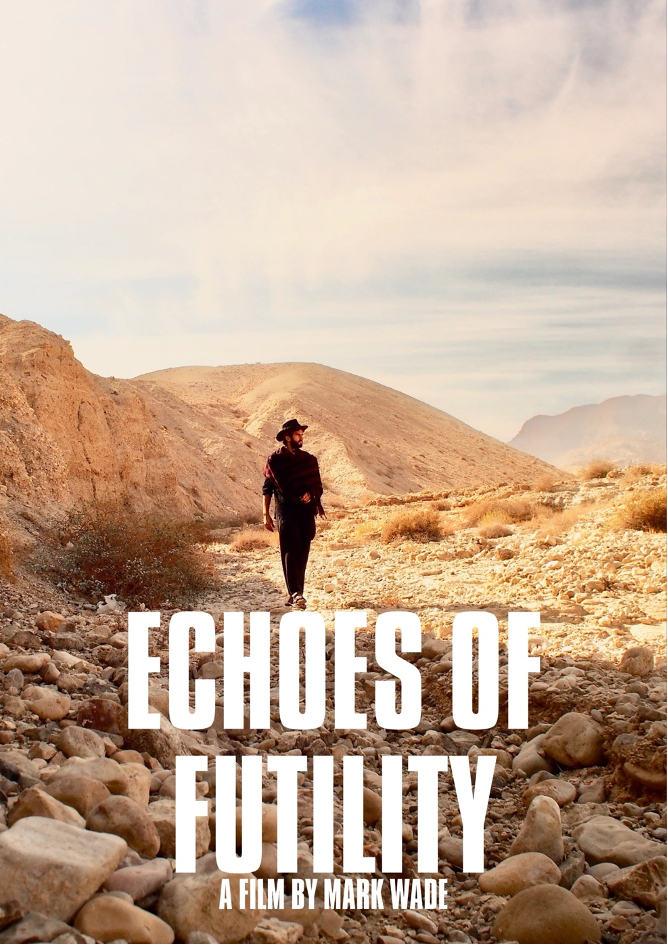

Echoes of Futility
A Jewish filmmaker, haunted by fragmented memories and the inescapable shadow of death, embarks on an autobiographical drama odyssey through ambition, loss and the transient breath of existence – guided by Kohelet’s ancient lament – to discover that life’s fleeting futility is what renders every moment eternally precious.
'Legends and Legacies', an 8-part/8-hour documentary series on the history and contribution of South African Jews. Streaming on IZZY TV.
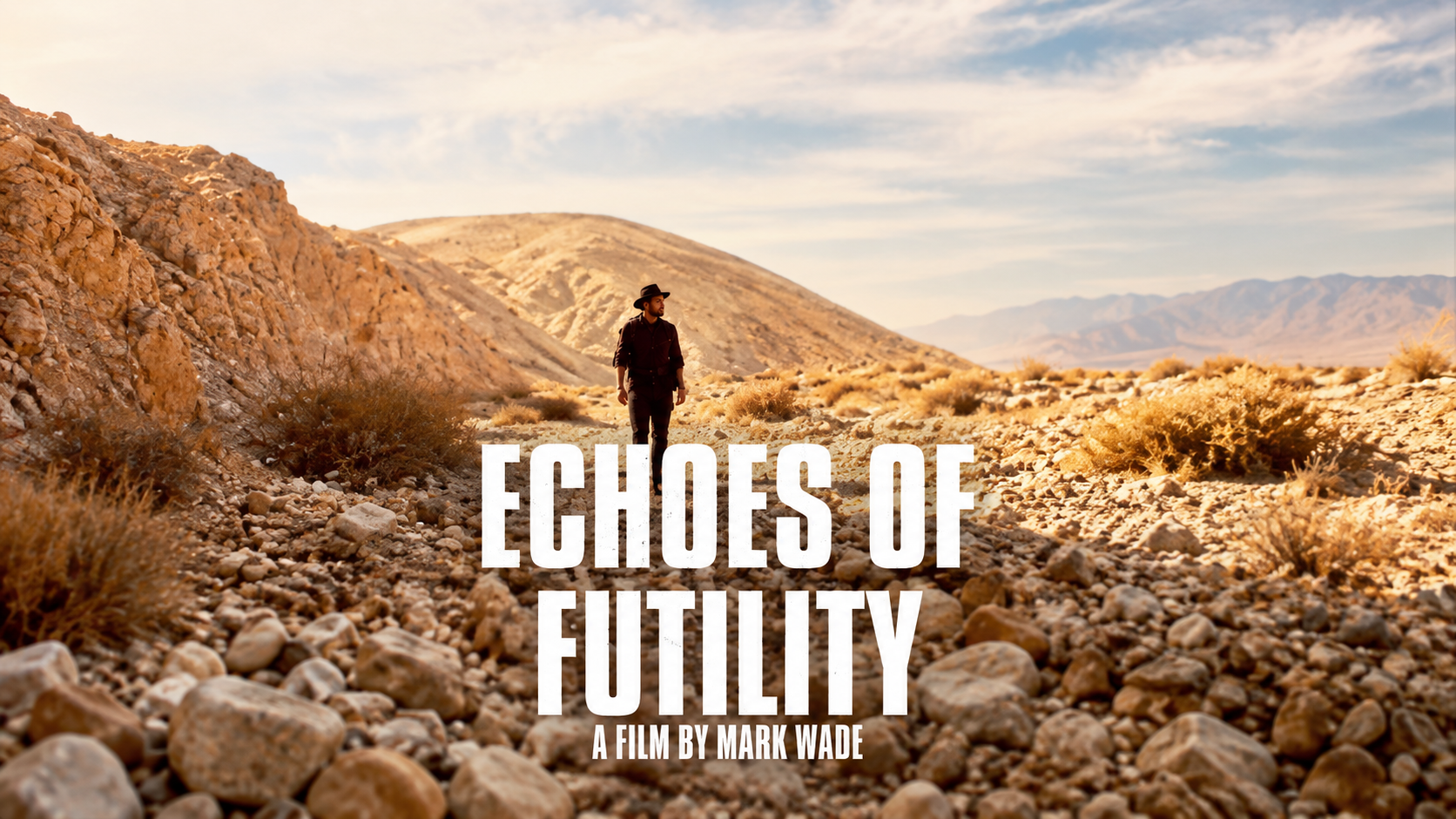
Project Overview
Story Synopsis
This is a meditative journey through fragmented memories, existence, ambitions and loss, weaving a tapestry of fleeting desires and eternal questions, seeking solace in the shadows. ‘Echoes of Futility’ is an autobiographical drama of a Jewish filmmaker who confronts the profound emptiness of human striving and transcendence, inspired by a quotation by Kohelet (the son of King David), in a text recited on Chol Hamoed Succot (the intermediate days during the Jewish High Holy Days of Succot) – a lament on the quote; “the futility of futilities, all is futility”.
Format
Feature film
Language
English
Visual Style
A hypnotic fusion of Super 8 and 16mm grain, to 4K digital, where the film stock itself ages and decays in real time – scratches flicker across the frame, mirroring the protagonist’s fractured recollections. Colours desaturate into ash-greys during moments of existential reflection, then erupt into deeply saturated colour when memory ignites. Handheld intimacy collides with wide shots of stone alleys, typical of Jerusalem, in early morning light, the city presenting centuries of character.
Editing & Rhythm
Non-linear and temporal; a single cut might leap from childhood to montage sequences – then dissolve into contemplative long takes. Silence is a character, so is negative space.
Sound Design
Whispered Hebrew overlayed with wind chimes, the rustle of branches, and the filmmaker’s own breathing. Ambient hums sung by the director’s long-dead grandfather, his voice resurrected from a 1970s cassette tape. A single violin note sustains across jump-cuts.
Performance & Presence
The director appears as both subject and narrator – sometimes in extreme close-up filling the screen; other times as a translucent superimposition wandering through his own childhood memories, unable to touch the objects he was once surrounded by. Archival footage morphs into re-enactments, blurring autobiography into collective Jewish memory.
Aspect Ratio & Format Shifts
Shifts in format between a claustrophobic 4:3 (Super-8) for scenes of childhood and remembrances, then returning to the standard of 16:9.